 Main menu








Although the motor symptoms of Parkinson’s tend to get the most attention and treatment, they often don’t appear until many of the brain’s nerve cells that produce dopamine have already been affected by Parkinson’s.
The four most common types of motor symptom are:
Even though you may not experience all of them, knowing about common motor symptoms will help you be proactive in managing the motor symptoms you do experience so you can live well.

Parkinson’s is called a movement disorder because it involves damage to the areas of the brain that control the speed, quality, and ease of your movements. These impacts to your movement–the motor symptoms of Parkinson’s–are often the most visible elements of Parkinson’s.
In this article, we outline the most common Parkinson’s motor symptoms, as well as the many actions you can take today to manage them.

Tremor is the most recognized symptom of Parkinson’s, and in this post we describe different types of tremor as well as a list of strategies you can use to manage tremor while living with Parkinson’s.

Bradykinesia means slow movement. In Parkinson’s, bradykinesia may also refer to movement that is delayed or smaller than expected–like shorter or smaller steps when walking or not spreading your fingers enough to pick something up. In this primer, we provide an overview of how you might experience bradykinesia while living with Parkinson’s as well as a list of ways you can increase the size and speed of your movements.

Rigidity is one of the most common motor symptoms of people with Parkinson’s, and 90% of people with Parkinson’s experience it at some point during their Parkinson’s progression. Rigidity is when your muscles feel stiff and tighten involuntarily. It can occur in your arms, legs, neck, back, hands, feet, and even smaller facial muscles. This stiffness can decrease your range of motion and cause pain and achiness in your joints and muscles. Learn about rigidity and steps to manage it in this article.

Parkinson’s can cause a loss of reflexes you need to maintain an upright posture, causing some people with Parkinson’s to feel unstable while standing upright. This instability, in turn, can increase their risk of falling. The good news is that although balance is one of the most vulnerable mechanisms we have, it is also one of the most re-trainable. With practice, you can improve your postural stability and even regain some of your automatic balance reflexes. In this primer, we show you how.

In this webinar, Dr. Aaron Haug shares an in-depth look at treatment strategies and offers detailed explanations on the medications used to treat Parkinson’s motor symptoms.

Although distinguishing between Parkinson’s dyskinesia and parkinsonian tremor can be difficult, recognizing the differences can significantly impact both treatment and quality of life for a person with Parkinson’s. Here, we highlight some of the differences and similarities and share how treatments vary depending on the diagnosis.
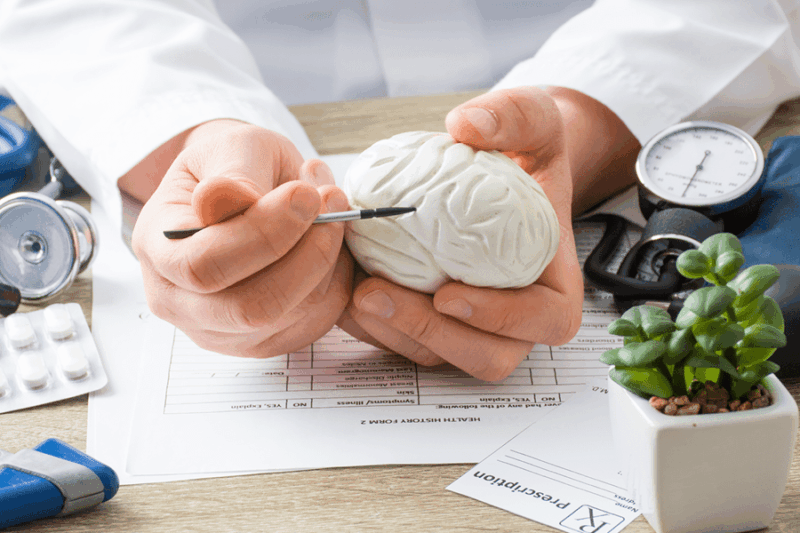
While the effects of Parkinson’s on movement are often the most visible, non-motor symptoms can have an even more significant effect on quality of life. Non-motor symptoms of Parkinson’s may outnumber motor symptoms and can appear years before motor symptoms.
The most common way to group non-motor symptoms of Parkinson’s is:
In this collection of resources, you can find information about the many common non-motor symptoms, including constipation, depression, anxiety, apathy, cognitive changes, nOH, fatigue and sleepiness, sleep disturbances, pain, speech and swallowing concerns, and more.

Some of the first symptoms people with Parkinson’s experience are not visible to others. In this presentation, Dr. Joanne Hamilton explains what to expect and how to distinguish symptoms caused by Parkinson’s from those caused by medications, while offering hope and practical strategies for understanding and managing non-motor challenges.

The effects of Parkinson’s not related to movement are called non-motor symptoms. In this article, we help you identify and learn about the various non-motor symptoms of Parkinson’s so you can take action to live well.

Approximately 50-60% of people living with Parkinson’s experience some degree of depression, anxiety, and apathy. It’s important to know the difference between these symptoms so you can accurately explain your experience to your doctor and get the care you need. In this webinar, Dr. Gregory Pontone explains the difference between a variety of mood-related issues in Parkinson’s and how to manage them.

Speech and voice impairments are common among those living with Parkinson’s. Watch the webinar below to hear from speech language pathologist John Dean about how Parkinson’s affects your voice and what you can do about it.

Parkinson’s can affect sleep in many ways, ranging from trouble falling or staying asleep at night to excessive sleepiness during the day. Good sleep boosts everything from your mood to your ability to think and process to your physical movement. Understanding sleep problems and Parkinson’s is often the first step you can take to enhance your sleep.
In this conversation, Dr. Ron Postuma discusses the causes of sleep problems in Parkinson’s, the difference between sleep changes related to aging and those related to Parkinson’s, the difference between sleepiness and fatigue, the connection between sleep and medication, and types of sleep disorders (somnolence, insomnia, REM sleep behavior disorder) and how to treat them.
 Search





 Donate
 Find Support