 Main menu






For more than 20 years, the Davis Phinney Foundation has been dedicated to helping people with Parkinson’s live well TODAY. Over the years, we have seen firsthand that living well with Parkinson’s is possible, no matter how long it’s been since your diagnosis.
Even a decade ago, the positive impacts of exercise, stress management, nutrition, and other lifestyle choices on Parkinson’s weren’t widely emphasized. Now, research confirms that the actions you take can make a meaningful difference in how you feel and function. So, although you can’t predict which symptoms you might experience in the coming months, years, or even decades, there are numerous steps you can take to enhance your quality of life. On this page and throughout our website, we’ll guide you through practical strategies to help you live well.
Parkinson’s is a complex neurological condition that can impact nearly every aspect of your body – from movement to mood to cognition. The good news? You have the power to take action and improve your quality of life.
Because Parkinson’s affects everyone differently, your approach to living well will be unique and evolve over time. But no matter what your unique Parkinson’s looks like, there are three essential things you need to know to live well with Parkinson’s today and into the future:
1. If you’re taking Parkinson’s medications, be sure to follow your doctor’s instructions and take them on time, every time.
2. Each time you take your medication, drink a full glass of water. It may sound simple, but staying hydrated can make a real difference in how your medication works and how you feel.*
3. Move your body every day. Other than taking your Parkinson’s medications with a full glass of water, exercise is the best thing you can do to improve your well-being and live well.
*If you’ve been consistently taking your meds with plenty of water and still aren’t experiencing the relief you need, schedule an appointment with your doctor (preferably a movement disorder specialist) to discuss your options.
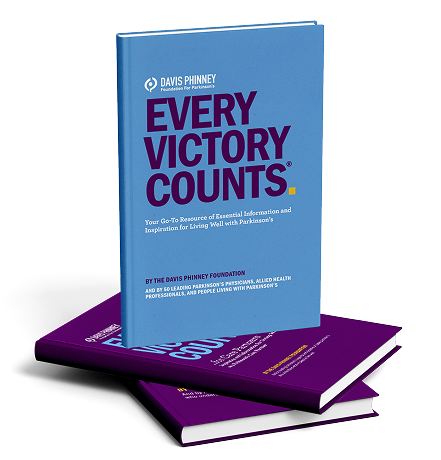
To live well with Parkinson’s, it is essential to equip yourself with tools, advice, strategies, and support. Our Every Victory Counts® Manual provides you just that. Request your free copy by clicking the button below.
Living well with Parkinson’s means nurturing every aspect of your life – physical, mental, social, and emotional. It’s not just about managing symptoms; it’s about staying engaged, fostering a positive outlook, maintaining strong connections, and prioritizing your overall well-being. To do this, you need reliable resources and practical tools that empower you to take control of your health and quality of life.
That’s where we come in. Below, you’ll find links to a wide range of resources designed to help you create a holistic, personalized care plan tailored to your unique symptoms, needs, and goals.

Parkinson’s is classified as a movement disorder because it involves damage to the areas of the brain that control movement. Motor symptoms (including stiffness, slowness, rigidity, and postural instability) are usually the most visible elements of Parkinson’s. Explore our resources to learn about common motor symptoms and the many actions you can take to manage them.

While the effects of Parkinson’s on movement are often the most visible, non-motor symptoms can have an even more significant effect on quality of life. Here, you can find information about the many common non-motor symptoms, including constipation, depression, anxiety, apathy, cognitive changes, nOH, fatigue and sleepiness, sleep disturbances, pain, speech and swallowing concerns, and more

Medication is often a key component of managing Parkinson’s. With various medication classes available, there are treatment options to support you at every stage of Parkinson’s. For the most in-depth, up-to-date information about Parkinson’s medications, explore our resources.

As Parkinson’s symptoms progress, increasing medication dosages can lead to significant side effects, such as dyskinesia. When the benefits of adding more medication no longer outweigh the side effects, it may be time to explore surgical treatment options, such as deep brain stimulation (DBS), enteral suspension of carbidopa/levodopa, and focused ultrasound therapy (FUS).

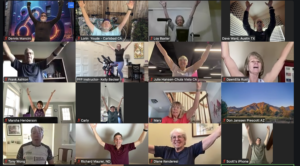
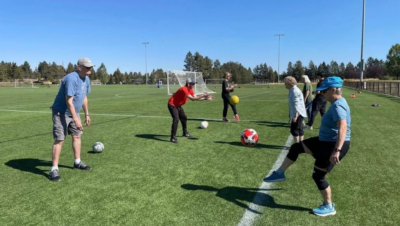
Research and personal experiences highlight just how powerful exercise can be for people with Parkinson’s. Moving your body regularly can help you feel stronger, improve coordination, boost your mood, and ease stiffness and fatigue. Plus, more and more studies suggest that exercise may even slow the progression of Parkinson’s itself. Explore our exercise resources for tips on getting started, staying motivated, finding the right exercises for you, managing pain, connecting with a Parkinson’s physical therapist, and creating an exercise plan that feels sustainable for you.

Many people with Parkinson’s find a medication or surgical treatment plan that works well for them. But the options for living well with Parkinson’s don’t end there. Complementary therapies – those used alongside traditional medical treatments – can offer additional symptom relief and enhance overall quality of life. Learn more about many of the complementary therapies people in our community have tried, from rehabilitative therapies like physical, occupational, and speech-language therapy to laughter yoga, dance, tai chi, and much more.

One of the most common questions we hear is, “What should I know about nutrition and hydration with Parkinson’s?” The truth is, there’s no one-size-fits-all answer. Just as Parkinson’s affects everyone differently, each person’s response to food and drink is unique. What we do know is that nutrition plays a key role in how you feel. Understanding this connection can be an empowering step toward living well with Parkinson’s. You’ll find the latest research on Parkinson’s nutrition, expert insights, answers to common questions, and practical tips to help you make informed choices about what (and when) to eat and drink.

Parkinson’s impacts your whole self – mind, body, and emotions. That’s why caring for your mental and emotional well-being is just as essential as looking after your physical health. In this collection of resources, you’ll find guidance on staying resilient, turning challenges into opportunities, seeking support when needed, and incorporating self-care and compassion into your daily routine. You’ll also learn about different types of therapy, counseling options, and medications that can help manage mental health symptoms.

Strong relationships and supportive environments can make all the difference when facing life’s challenges. The quality of our connections impacts our health, outlook, and confidence in our ability to navigate adversity. A Parkinson’s diagnosis doesn’t change this; in fact, it makes meaningful relationships and community connection even more important. Through resources like our webinars and meetups, you can learn why staying connected to friends, family, and community is just as essential as medicine for living well with Parkinson’s.


Living well with Parkinson’s starts with connection. Our Ambassadors understand life with Parkinson’s and are here to talk, share resources, and offer support. With over 130 Ambassadors across the U.S. and beyond, you’re never far from someone who gets it.
 Search





 Donate
 Find Support