 Main menu



Explore a wide range of evidence-backed and community-loved complementary therapies that support your whole self—body, mind, and spirit—alongside your conventional treatment plan.

Note: Complementary therapies are different from alternative therapies, which are used instead of conventional medicine. We do not recommend replacing prescribed treatments with unproven alternatives.
People with Parkinson’s often choose complementary therapies because:
While some therapies may provide meaningful benefits, it’s essential to stay informed and communicate openly with your care team. There’s a lack of clinical trials on many complementary therapies. While most are low-risk, always proceed with care. Here are some key guidelines:

One study found that over 50% of people tried complementary therapies without consulting their healthcare provider. Be part of the informed half — your safety comes first.

This guide includes therapies that are generally regarded as safe and have been used by members of our community.

We’ve excluded therapies (e.g., homeopathy, certain herbal remedies) that could potentially worsen Parkinson’s symptoms or interact negatively with medications.
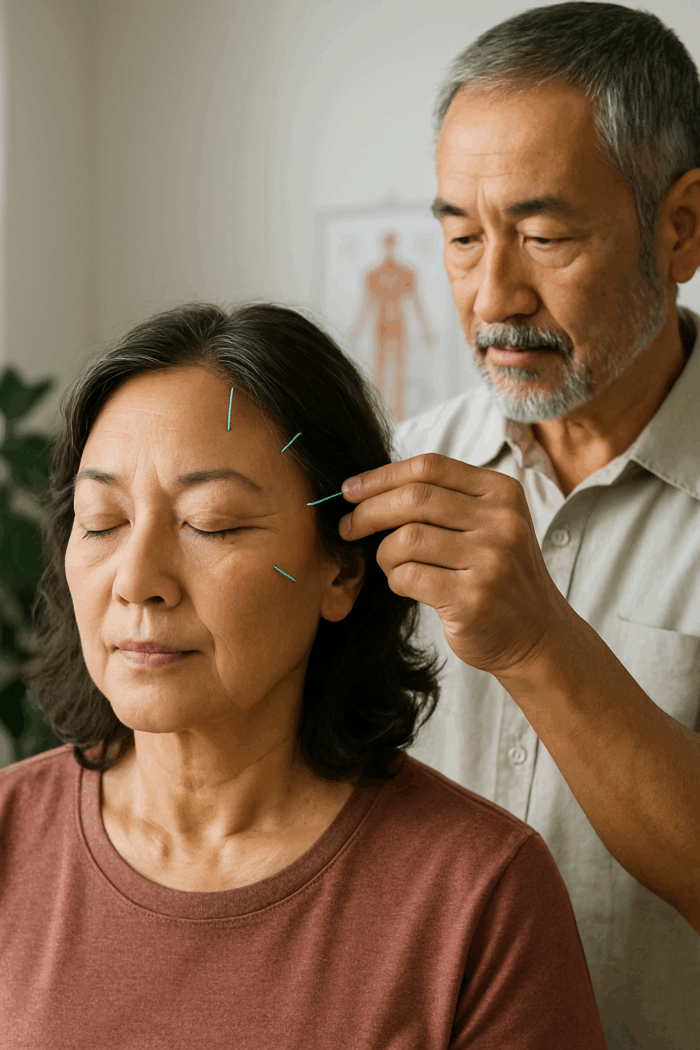
Acupuncture involves inserting thin needles through the skin in order to stimulate certain points on the body and improve the flow and distribution of energy in the body. Several studies have shown that acupuncture, along with conventional treatment, was more effective in reducing pain and relieving symptoms than conventional medicine alone. While it is considered generally safe, talk to your doctor about possible side effects such as fatigue, lightheadedness, soreness at needle site, and at the very worst, worsening of your symptoms, before you try it. For more information, visit the American Society of Acupuncturists.
Aromatherapy is the practice of inhaling or applying aromatic essential oils to the skin that are derived from a wide variety of healing plants. They have been shown, anecdotally, to help people reduce pain and stress, improve sleep, soothe sore joints, improve digestion, decrease anxiety and depression, promote relaxation and more. To learn about the essential oils that may be of help to you, and read a variety of articles on the subject, visit the National Association for Holistic Aromatherapy.
Art therapy is a type of psychotherapy that allows you to use art as a way to express your feelings and communicate issues that may be difficult to talk about. During an art therapy session you may:
Art therapy has been shown to help people dealing with all kinds of issues. And while there’s no literature yet on its effectiveness especially for people with Parkinson’s, many people who live with Parkinson’s say that being creative helps them focus, relax and live more in the moment.
Ayurveda is based on the belief that the mind and body are connected and that each person has a mind-body type that should guide their choices about nutrition, exercise and all other areas of life. The guiding philosophy of this therapy is to take actions that put you in the flow, rather than taking the path that will cause you to struggle and strain against your natural way of being. Identify your type and learn how Ayurveda can be used in junction with conventional medical treatment here.
The goal of chiropractic therapy is to bring the spine into alignment, alleviate pain, improve motor function and help the body learn to heal itself. A few of the issues chiropractic therapy can address are:
There are quite a few risks to undergoing this type of manual manipulation, and the evidence is mixed on how effective it is for various conditions. When it comes to safety, we encourage you to work closely with your doctor before experimenting with this type of therapy. There are also options such as no-touch, touchless and low-force chiropractic therapy for those who are concerned about cracking and more aggressive adjustments.
The American Dance Therapy Association (ADTA) defines dance/movement therapy as the psychotherapeutic use of movement to promote the emotional, social, cognitive and physical integration of the individual.
Dancing provides an arena to feel like an integrated body working as a whole instead of feeling like a patient. In dance class, we welcome both the struggling parts and thriving parts of the body, as well as the awareness of how things can change unexpectedly day to day. Embracing and honoring your dancer body can be liberating and fortifying—it is something gained among so many things lost when dealing with Parkinson’s.
Breathing compassion into the struggling parts, breathing gratitude into the thriving parts and the ability to see all those parts as an integrated, whole body is a practice that participants can carry with them every day. – Sarah Leversee, Dance for PD® Instructor
We’ve had so many people with Parkinson’s share with us what a big difference dancing has made when it comes to increasing their energy and improving their quality of life. You can learn about how to adopt an identity as a dancer from the Program Director for Dance for PD® here and more about how it can help you live well with Parkinson’s here.
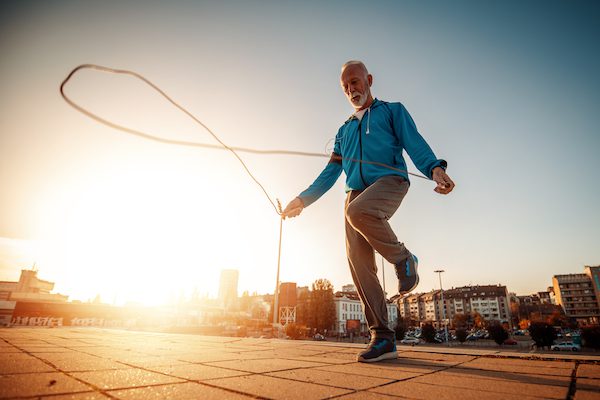
We’re calling out exercise first because out of every type of complementary therapy, exercise has consistently shown in clinical trials to reduce symptoms and improve quality of life.
What type of exercise? The best exercise is the one you’ll do; so, it’s not so much a matter of which one you pick, but that you pick something and do it regularly. When you keep your body moving, you keep your joints and muscles healthy, which can help decrease stiffness and increase mobility.
On the other hand, if you want a reason to do high-intensity exercise, there’s plenty of it. Research shows that high-intensity exercise may help slow the progression of Parkinson’s and forced exercise can improve overall motor function and cognition. Long gone are the days when doctors would prescribe rest for people with Parkinson’s. The ones who are living well make sure they move well, and intensely, too.
Further Reading
It Is Not About the Bike, It Is About the Pedaling: Forced Exercise and Parkinson’s
The Feldenkrais Method® is based on the idea that the brain is in charge of movement so, in order to change your movement, you must change your mind. As you learn better ways to move, you can improve:
For a person with Parkinson’s, the natural rhythm and flow of perception, feeling and movement are disrupted. And routine behaviors such as walking, speaking, swallowing and more can become difficult, if not completely unavailable.
The Feldenkrais Method teaches people movement sequences designed to enhance their functional ability. This method can be taught privately or in group classes. To learn more and see if there are classes available in your area, visit here.
More and more people with Parkinson’s are experimenting with marijuana to help ease their symptoms. And while research in this area is increasing, as yet, there are no clinical trials that support the use of marijuana for Parkinson’s.
Anecdotally, however, there are doctors who are seeing it work for their patients with Parkinson’s and people with Parkinson’s have reported a variety of ways it has helped them.
Later this month, we’ll be sharing a series from one of our Parkinson’s community members. He talks about his first trip to a dispensary, the dose and delivery he experimented with and his results. We’ll also have our resident marijuana for Parkinson’s expert, Dr. Benzi Kluger, weigh in on what he thinks about using marijuana to reduce Parkinson’s symptoms.
Further Reading
The Therapeutic Potential of Cannabinoids for Movement Disorders
The Endocannabinoid System as an Emerging Target of Pharmacotherapy
Cannabis and Parkinson’s: What to Know About Medical Marijuana, CBD, and more
Many people with Parkinson’s use massage therapy in an attempt to improve well-being and alleviate symptoms of pain, rigidity, fatigue, depression and even tremor.
There’s very little risk involved with getting a massage so many doctors highly recommend you include this type of therapy in your treatment. The good news, too is that many insurance providers will cover massage therapy sessions because it is considered a common treatment for Parkinson’s.
You can learn about all of the different types of massage and find a trained massage therapist in your area.
To be mindful is to be aware of what’s going on around you, what you’re doing and the space you’re in. It sounds simple enough, but being mindful is easier said than done. That’s because it’s very easy to let thoughts about the future, medication schedules, to-do lists, worries and anxiety become top of mind.
Mindfulness practices such as meditation, therefore, are designed to help people practice being in the moment, suspending judgment, practicing self-compassion and becoming detached from every possible outcome. If you’re able to make this a regular practice in your life, you have the power to:
Want a simple way to get started with meditation? Try out the Headspace app and you’ll get a 10-day beginner’s meditation course for free.
Music therapy is the use of music within a therapeutic relationship to address the physical, emotional, cognitive and social needs of individuals. For some people with Parkinson’s, music therapy decreases freezing, improves gait and speech, increases postural control and improves cognition. Plus, many have reported that their music therapy classes are the most fun they have all week. Learn more at the American Music Therapy Association.
Occupational therapists (OTs) help to keep people safe and improve their ability to do the activities of daily living (ADL). They do this by adapting the environment through modifications, modifying the task and/or educating people with Parkinson’s and their care partners.
Later this month, our resident OT expert, Nancy Hillmer, will share some great ideas for how to accomplish daily tasks more easily and ways to keep your home and environment as safe as possible.
Many people with Parkinson’s aren’t clear about how an OT can help them with daily living. If you’re wondering if an OT could help you, this is for you.
Physical therapy can help people improve strength, flexibility and mobility. And it can also decrease stiffness and pain related to Parkinson’s. Many people with Parkinson’s don’t realize how valuable a physical therapist can be to their care team in the early days; however, the people we know who have worked with them on a consistent basis have received tremendous value from doing so – both physically and emotionally. If you’d like to begin an exercise program designed by a physical therapist who specializes in working with people with Parkinson’s, download our Exercise Essentials mini course here.
Further Reading
Invigorate Physical Therapy and Wellness with Sarah King, PT, DPT
Pilates is a non-impact form of exercise designed to improve spinal structure and alignment and strengthen the core. There’s little clinical evidence for its efficacy for people with Parkinson’s; however, for many people, a regular Pilates practice helps to improve balance, posture, strength, flexibility and quality of life. While Pilates is often offered in a group class format, if you decide to give it a try—after getting the go-ahead from your doctor—consider working one-on-one with a certified Pilates instructor first to learn how to use the equipment and how to stay safe.
Reiki is a Japanese technique that involves the laying of hands-on or near different parts of a person’s body. It’s based on the idea that we all have a “life force energy” that flows through us, and it’s what causes us to be alive. A low life force energy causes illness and stress, and a high life force energy causes greater health and happiness.
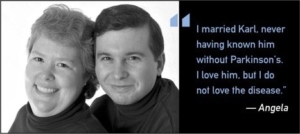
Karl Robb, a Parkinson’s advocate and friend of the Davis Phinney Foundation received so much benefit from experiencing Reiki that he studied to become a Reiki master. He says,
I truly believe reiki has eased my symptoms and calmed my mind. Reiki helped me to get closer to achieving my dreams and it changed my whole perspective about illness.
Parkinson’s often makes it difficult for people to speak loudly, pronounce words clearly, speak fluidly, swallow, and show facial expressions. However, it is possible to improve all of those symptoms by working with a speech therapist.
As speech therapist Kathleen Donohue says, “Many people wait until things get really bad before they seek out a speech therapist. That makes it a lot harder to break bad habits. If you see a speech therapist early on and often, not only can you delay the onset of particular symptoms, but you can build muscle memory that will help you keep some symptoms at bay as your Parkinson’s progresses.”
Kathleen shares here some practical actions you can take every day to improve your speech. You can also watch as Keely McMahan, CCC-SLP and Meg Hudson, OTD, OTR/L, demonstrate LSVT BIG® and LOUD® exercises you can try today to improve vocal loudness.
Parkinson Voice Project’s SPEAK OUT!® Therapy Program and FREE Online Parkinson’s Speech Exercises. Online Parkinson’s speech exercises are offered Monday – Friday at 10:00 am CT, but recordings are available to access on demand. Learn more and find out how to contact them to get access to free classes here.
T’ai Chi integrates elements of balance, flexibility and coordination (motor function) with focused mental attention and multitasking (cognitive function). Findings show that individuals who participate in these exercises experience improvements in Parkinson’s related motor symptoms, balance and mobility as well as a reduced number of falls. The research also indicates that engagement in these exercises helps to significantly reduce depression.
Further Reading
Tai Chi Helps with Parkinson’s Balance and Gait Challenges
2016 Tai Chi Study Funded by the Davis Phinney Foundation Continues to Help People Live Well with Parkinson’s
Positive Impacts of Tai Chi for Parkinson’s
An Overview of T’ai Chi Chih®
Even if you have never practiced yoga before, chances are you’ve heard people talk about the benefits they receive from doing it. And while traditional yoga classes may be beneficial for people with Parkinson’s, when determining the path you might like to take, it’s important to make the distinction between a yoga teacher and yoga therapist and a yoga class and a yoga therapy session.
Yoga therapy is one of the few complementary therapies that has research proving its efficacy. It has shown to reduce tremor, improve balance and gait, increase flexibility, improve posture, loosen painful muscles and reduce stress.
While yoga therapy is considered generally safe, it’s still a good idea to talk to your doctor about it before giving it a try. When you’re ready to move forward, make sure you work with a yoga therapist who has been specifically trained to work with people living with Parkinson’s.
Have You Tried a Complementary Therapy?
Whether you wanted to ease symptoms, reduce stress, or feel more empowered in your care, your experience could encourage others who are exploring new ways to manage Parkinson’s.
 Search





 Donate
 Find Support