Main menu



9 am Mountain Time
(8 am PT, 10 am CT, 11 am ET)
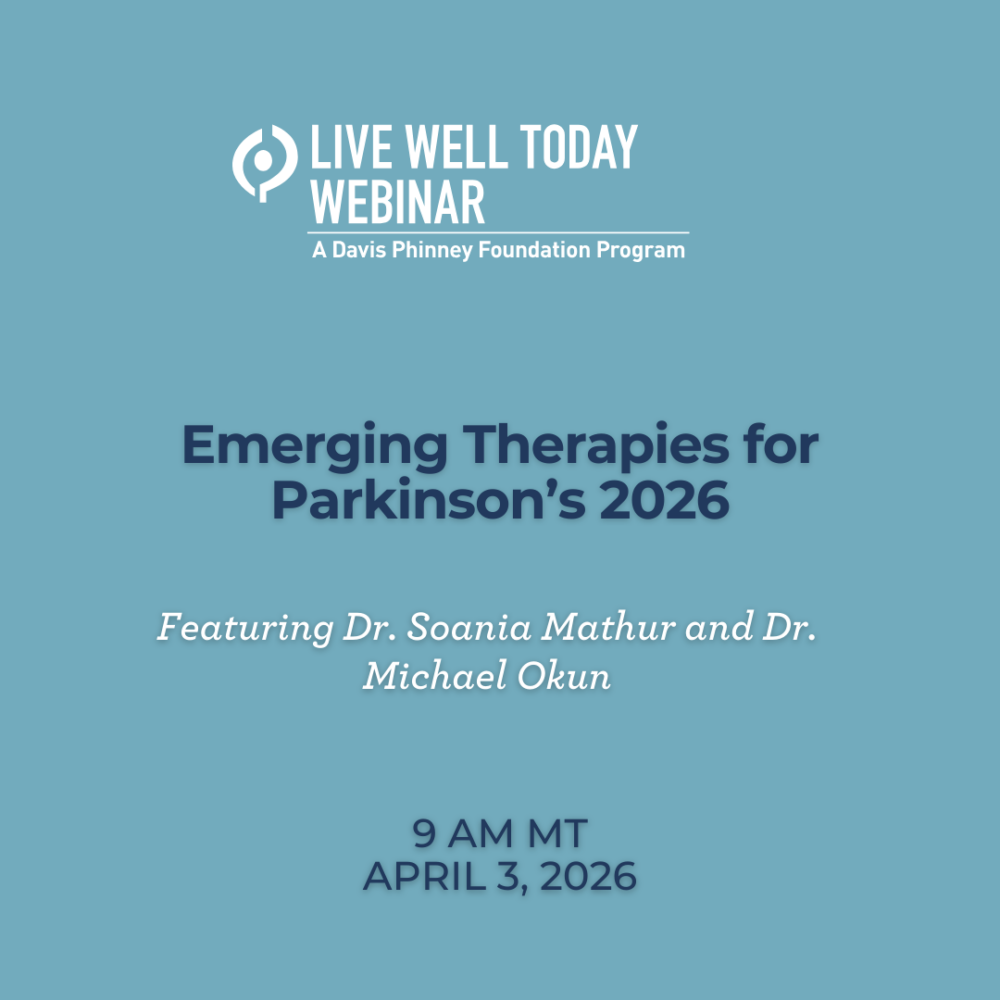
Our April Live Well Today webinar featured Dr. Michael Okun and Dr. Soania Mathur. The webinar focused on three main areas of emerging therapies for Parkinson’s: interventions that may prevent Parkinson’s symptoms from developing, treatments that may help with symptoms, and treatments that may modify progression.
Below, you can watch the webinar recording. We have separated the recording into four parts. We hope this will help you find the topics of most interest to you more easily.
After the videos, you can also find a recap of the main topics Dr. Okun and Dr. Mathur discussed, including links to additional resources.
Finally, after the recap, we include answers (written by our staff) to some of the questions that Dr. Mathur and Dr. Okun weren’t able to address during the live recording.
Prevention research explores factors that may reduce risk of Parkinson’s or delay symptom onset.
Recent and ongoing examples include research related to evaluating risk of developing Parkinson’s, sleep apnea, exercise, environmental exposures, and a variety of approaches focusing on specific genetic variants associated with Parkinson’s.
Genetic testing play an important in prevention research. It looks for specific gene variants—such as LRRK2 or GBA—that are associated with an increased risk of developing Parkinson’s. Genetic testing is most often discussed in the context of risk assessment, research participation, and prevention‑focused studies, rather than as a diagnostic or treatment tool. Because results can have emotional, family, and psychological implications, genetic testing is typically paired with genetic counseling to help individuals understand what the results do (and do not) mean, and to support informed decision‑making for themselves and their families.
American Academy of Neurology Sleep Apnea News
JAMA Neurology Sleep Apnea Article
Davis Phinney Foundation Interview with SLOW SPEED Investigators
Stanford Article featuring Dr. Ray Dorsey
What it is: Tavapadon is a new type of dopamine agonist. There are multiple dopamine receptors in the brain, and tavapadon will target a specific combination in a way no other currently available dopamine agonist does. The goal of this “selectivity” is for tavapadon to have fewer side effects than older dopamine agonists.
Current research: Phase 3 trials have shown mixed but encouraging results for motor symptom control, and as of late April 2026 regulatory review is ongoing in several countries.
Related links:
Medscape Article about Tavapadon Research
Abbvie Press Release of Topline results
What it is: DBS is a surgical therapy that uses targeted stimulation to regulate abnormal brain circuit activity in Parkinson’s.
Hardware and software developments are unlocking new features. These features inclue sensors that monitor brain activity to adjust stimulation, remote programming, and image-guided programming.
Our Recent Four-Part DBS Series
What it is: These psychedelic compounds may influence the brain’s ability to adapt, reduce inflammation, and regulate mood circuits, all of which are relevant to Parkinson’s non-motor and potentially motor symptoms.
Current research: With Ibogaine, the research is mostly preclinical/compassionate-use reports; There have been no large Parkinson’s-specific trials yet.
With Psilocybin, clinical studies are ongoing at UCSF/Yale for depression and existential distress, with PD-specific trials being explored.
UCSF Article about Psilocybin Research
ClinicalTrials.gov Page for UCSF Trial
What it is: Cell replacement therapy attempts to replace dopamine-producing neurons lost in Parkinson’s. Early results have been generally encouraging, but larger scale research is needed. Some interventions/techniques would require immunosuppressive treatment, which may not be sensible for all.
Current research: Several clinical trials are now active worldwide, including a fast-tracked phase III trial from BlueRock Therapeutics, a study from Aspen Neuroscience, and more. Additionally, Japan recently approved a cell replacement therapy based on a small study.
More Information about BlueRock’s Cell Replacement Intervention
News Story about Expanding Number of Companies
Article about Japanese Approval
What it is: Gene therapy introduces genetic material into the brain to boost dopamine production, protect neurons, or reduce toxic protein buildup. This may involve delivery tools called viral vectors that carry beneficial genes or suppress harmful ones.
An Overview of Cell Replacement and Gene Therapy Interventions
What these are: Alpha-synuclein (a-syn) is the protein that clumps together to form Lewy bodies, a hallmark of Parkinson’s pathology. Therapies in this category aim to reduce its production, clear existing clumps, or block toxicity.
Examples include Prasinezumab, an antibody targeting misfolded a-syn; Buntanetap, which aims to reduce production of neurotoxic proteins; and Ambroxol, which may enhance removal/clean-up of a-syn in the brain.
Early phase results of these interventions are inconclusive and each treatment has exhibited some positive signs, but overall there is not yet conclusive evidence that targeting alpha-synuclein with these treatments will significantly and safely slow progression of Parkinson’s.
Dr. Okun’s Post about Alpha-synuclein
What these are: Chronic inflammation in the brain is increasingly recognized as a contributor to neuron loss in Parkinson’s. Treatments addressing inflammation target a variety of pathways and processes to attempt to calm or re-balance inflammatory pathways.
Dr. Okun’s Post About Inflammation
Science of Parkinson’s Inflammation Archives
Science Of Parkinson’s “Brain on Fire” Post
Our Blog Post about Biovie’s Sunrise-PD Trial
What it is: FGF1 is a potent growth factor that may promote blood vessel growth and cellular repair. Intranasal delivery aims to reach the brain non-invasively.
Current research: Small open-label studies have shown signals of increased blood flow; larger controlled trials are still needed.
What it is: Low-dose CO is being explored for its anti-inflammatory and cell-protective effects. At therapeutic micro-doses, it may protect neurons from stress.
This research related to evidence associating smoking with decreased Parkinson’s risk and to evidence that higher elevation sometimes helps decrease symptom intensity.
Neuroprotection of Low-Dose CO in Parkinson’s
Mass General Hospital Press Release
The questions below were asked by the live webinar audience but were not addressed by Dr. Mathur and Dr. Okun due to limited time. Responses to the questions were written by Foundation staff.
Knowing that the first adaptation to weight training is neurological, how does weight training impact Parkinson’s symptoms? Does having an impact on the muscle fibers improve symptoms?
Weight training can help Parkinson’s symptoms in part because of its effects on the brain. Parkinson’s disrupts the brain’s ability to send clear movement signals to muscles, and resistance training appears to strengthen those signaling pathways. In other words, it’s not just about building muscle; it’s about improving how the brain controls movement. Repeatedly generating force through resistance training may actually promote rewiring in the brain’s motor control centers.
Evidence from the PRET-PD clinical trial supports this. After two years of progressive weight training, participants with mild-to-moderate Parkinson’s moved faster and their muscles were firing more normally. The researchers noted that the partial restoration of the normal muscle firing pattern was similar to changes seen with medication and deep brain stimulation, though these interventions do not fully normalize muscle firing.
One important caveat is that exercise, including strength training, cannot reverse Parkinson’s. It can, however, help manage symptoms, and it may slow progression. While resistance training is beneficial, the strongest evidence for promoting neuroplasticity comes from aerobic exercise and complex, skill-based activities like dance or tai chi. Resistance training is best viewed as a part of a varied exercise program, not as a standalone solution.
Can you describe the Healthy Brains Act?
The Healthy Brains Act is a bipartisan piece of federal legislation in the United States that would direct the Department of Health and Human Services to establish Collaborative Centers for Neurodegenerative Disease Environmental Research. These centers would study the environmental risk factors (such as pesticide exposure, industrial chemicals, and other toxins that research increasingly suggests play a role in who develops these conditions) linked to neurodegenerative conditions like Parkinson’s, Alzheimer’s, ALS, and multiple sclerosis.
The bill was reintroduced in March 2026 by Representatives Gus Bilirakis (R-FL) and Suhas Subramanyam (D-VA), building on the original legislation authored by former Representative Jennifer Wexton, who herself was diagnosed with a neurodegenerative condition and was instrumental in earlier brain health legislation.
If passed, the Act would fund research, training, and health information dissemination around environmental risk factors, with $50 million in authorized funding annually from 2026 through 2030. It’s a significant step toward addressing conditions like Parkinson’s not just through treatment but through prevention.
Can you talk about stimulation of the vagus nerve and how it is being looked at for Parkinson’s?
Vagus nerve stimulation (VNS) is a growing area of Parkinson’s research. The vagus nerve is the longest cranial nerve in the body. It runs from the brainstem all the way to the gut, and it plays a major role in regulating inflammation and communication between the brain and the rest of the body. Preclinical studies suggest that VNS can decrease alpha-synuclein (the protein that clumps together and causes neuron damage in Parkinson’s) and reduce inflammatory markers, while also increasing neuroprotective factors like BDNF and improving movement.
Research in humans is still early, but it’s growing. The longest non-invasive VNS trial in Parkinson’s to date was a double-blind, sham-controlled study published in 2025 in the Journal of Neurology. It evaluated home-based transcutaneous cervical VNS, a non-invasive approach using a handheld device held to the neck, in 33 people with Parkinson’s over 12 weeks. The study found the approach to be feasible, well-tolerated, and safe, with high participant retention, though it found only minimal effects on gait and cognition.
Researchers are also exploring combining VNS with physical therapy to see whether the pairing can amplify the benefits of exercise. A 2025 systematic review found that noninvasive VNS demonstrated favorable safety and showed efficacy for gait impairments in people with Parkinson’s.
These are relatively small studies, but early signals indicate that VNS may be especially useful for targeting gait characteristics that don’t respond well to dopaminergic medication, which would make it a meaningful addition to the treatment toolbox. The non-invasive nature of the ear- and neck-based approaches makes them particularly appealing for future research and eventual clinical use.
Please discuss REM Sleep Behavior Disorder (RBD) and if there are any new treatments in research.
REM Sleep Behavior Disorder (RBD) is a non-motor symptom associated with Parkinson’s. In RBD, the normal muscle paralysis that occurs during REM sleep is disrupted, which means people may physically act out their dreams. This may involve kicking, punching, shouting, or falling out of bed.
Research shows that RBD negatively affects quality of life in both people with Parkinson’s and their partners. Impacts of RBD, including sleep disruption, anxiety, and relationship strain are often experienced before a person even starts down the road to diagnosis.
Two main treatments remain clonazepam and melatonin, though the evidence for both is more nuanced than is commonly presented. A head-to-head randomized trial published in Sleep and Breathing suggested clonazepam tended to produce better RBD symptom control, but at the cost of increased depressive symptoms and daytime sleepiness. Melatonin is widely preferred for its safety profile, but a rigorous randomized controlled trial published in Movement Disorders found that prolonged-release melatonin did not significantly reduce RBD events compared to placebo. This highlights how much more research is still needed.
Trazodone is another medication often used to help with sleep issues associated with Parkinson’s. A randomized double-blind trial found that melatonin was actually more effective than both trazodone and clonazepam at reducing RBD symptoms on screening questionnaires, while trazodone outperformed clonazepam on daytime sleepiness, and melatonin produced no adverse events.
Perhaps the most significant development is how researchers are now viewing RBD itself. Because RBD so frequently precedes a Parkinson’s diagnosis, people with isolated RBD are now sometimes engaged as the primary cohort of untreated prodromal people with Parkinson’s who are ready for neuroprotective clinical trials right now. In other words, RBD research has become a frontline for Parkinson’s prevention, not just symptom management.
Is it possible for general practitioners to use AI for early detection of Parkinson’s?
Not routinely—at least not yet—but the technology is moving fast, and the potential is very real. (We’ll be exploring the latest in AI for Parkinson’s in a separate blog post soon.)
Right now, general practitioners typically do not use AI tools to diagnose Parkinson’s in everyday practice. Diagnosis still relies on clinical evaluation, often with input from a neurologist. However, several research groups are developing AI-based tools that could help with earlier detection and screening in the future.
For example, researchers are exploring systems that use camera-based assessments of movement, speech analysis, and facial expression changes to detect subtle early signs of Parkinson’s. Others are developing AI models that analyze blood-based biomarkers or data from wearable devices to identify patterns associated with increased risk, potentially years before a formal diagnosis.
Some of these early studies have shown promising accuracy, but it’s important to emphasize that most are still in early or mid-stage research, often in controlled settings. They need larger, real-world validation before they can be used reliably in primary care.
That said, AI is already being used in research and specialty settings to support diagnosis, track progression through wearables, and help personalize treatment approaches. So while it probably isn’t something your general practitioner can use routinely today to detect Parkinson’s, the trajectory is clear: AI-assisted detection and monitoring are coming, and they have the potential to significantly change how early Parkinson’s is recognized and managed.
Do treatments, new and old, tend to help equally with non-tremor dominant PD and tremor dominant? Or are they so different that they are going to need different treatment approaches?
Tremor-dominant Parkinson’s and non-tremor-dominant (akinetic-rigid) Parkinson’s can respond somewhat differently to treatments, which is why a personalized approach is so important. While many treatments help both tremor-predominant and akinetic-rigid Parkinson’s, tremor can be harder to control with standard medications than slowness and stiffness.
Some people with medication-resistant tremor may need additional or different strategies. Here’s how the main treatments break down:
Levodopa
Levodopa remains the gold standard for both subtypes. It is most consistently effective for bradykinesia (slowness of movement) and rigidity (stiffness), the core features of akinetic-rigid Parkinson’s. Tremor, particularly resting tremor, often improves with levodopa, but the response is more variable, and a subset of people with Parkinson’s have tremor that is relatively resistant to dopaminergic therapy.
Some more recent studies, including analyses of people being evaluated for deep brain stimulation, suggest that tremor can show substantial improvement with levodopa in certain groups. However, these findings don’t fully replace the broader clinical observation that tremor response is generally less predictable than that of bradykinesia and rigidity. In addition, tremor itself likely reflects multiple underlying mechanisms, with people falling along a spectrum from dopamine-responsive to more dopamine-resistant tremor (which helps explain why individual responses vary).
MAO-B Inhibitors
Some studies have explored whether medications like MAO-B inhibitors have different effects across Parkinson’s subtypes, but any differences are subtle and not strong enough to guide routine subtype-specific treatment decisions in clinical practice.
Tremor-Specific Medications
For people whose tremor is not adequately controlled with levodopa, additional options may be considered.
Deep Brain Stimulation (DBS)
When it comes to DBS, target selection plays an important role in symptom management, including for tremor. Stimulation of the subthalamic nucleus (STN) and globus pallidus internus (GPI) can help reduce tremor, bradykinesia, and rigidity. The ventral intermediate nucleus (VIM) is more tremor-specific and targeting this area with DBS does not significantly address bradykinesia or rigidity. VIM DBS is typically only considered when tremor is a primary symptom that is disrupting a person’s quality of life.
The bottom line: There is significant overlap in treatments, but the subtypes can differ in how reliably specific symptoms respond. Akinetic-rigid Parkinson’s tends to have a more predictable response to dopaminergic therapy, while tremor-dominant Parkinson’s may require additional or alternative strategies, especially when tremor is medication-resistant. Treatment decisions and expectations should be individualized, ideally in partnership with a movement disorder specialist.
Is it possible to use non-invasive visual stimulation using 40 Hz light flicker to treat Parkinson’s pathology?
40 Hz light flicker, sometimes called gamma stimulation, is an active area of research, but it’s not a proven Parkinson’s treatment at this point. The basic idea is that flashing light at a specific frequency (40 times per second) might help “tune” brain activity in a helpful way. Scientists are interested in this because certain brain rhythms are involved in how brain cells communicate.
Most of the research so far has been in Alzheimer’s. In animal models, 40 Hz stimulation has been associated with changes in amyloid levels, microglial activity, and neural signaling, which generated significant interest in its therapeutic potential. For example, studies published in journals like Nature Communications have shown that 40 Hz stimulation can influence brain activity patterns and neuronal survival in experimental models. However, these findings are preclinical, and translating them to humans has proven challenging.
There are also some open questions about how the process translates to Parkinson’s. While the flickering light clearly affects the part of the brain that processes vision, it’s not clear how much impact it has on deeper brain areas that are important in Parkinson’s.
For Parkinson’s specifically, research is just getting started. There is an ongoing clinical trial looking at whether 40 Hz light might help with sleep problems in people with Parkinson’s, but that’s very different from slowing or stopping the condition itself.
Does low-dose Naltrexone help with inflammation?
It might, but we don’t have enough strong evidence from research yet.
Low-dose naltrexone (LDN), usually taken at about 1 to 5 mg per day, is getting a lot of attention for possible anti-inflammatory effects. The proposed mechanism comes mostly from lab and animal studies. At low doses, Naltrexone is thought to affect immune activity in the brain, possibly by interacting with pathways like Toll-like receptor 4 (TLR4) and influencing microglia (the brain’s immune cells). It may also briefly increase endorphin levels. However, these effects are still theoretical and not well confirmed in humans.
This idea is relevant because inflammation in the brain is increasingly believed to play a role in Parkinson’s, although it’s just one piece of a complex puzzle. In terms of actual evidence in Parkinson’s, there has been a very small open-label study that reported results for just four fatigued people with Parkinson’s (out of eight participants enrolled). It was well tolerated in that group and fatigue scores improved, but the study was too small and not designed to measure inflammation or Parkinson’s progression, so no firm conclusions can be drawn.
More broadly, the idea of targeting inflammation in Parkinson’s is being actively studied. For example, early trials of drugs that target the NLRP3 inflammasome have shown they can reduce certain inflammatory markers in the cerebrospinal fluid. That doesn’t prove clinical benefit yet, but it does show that brain inflammation is a real and measurable target.
Bottom line: LDN has a plausible anti-inflammatory mechanism and is of growing interest, but right now there’s no strong clinical evidence that it meaningfully reduces inflammation or changes outcomes in Parkinson’s. Larger, well-controlled studies are still needed. If you’re considering it, it’s best to discuss it with your physician to weigh potential benefits and uncertainties.
Why can’t freezing of gait be reversed? I have this symptom and can hardly walk at all. I was diagnosed in 2023 and my Parkinson’s has progressed so fast. I have always been active and now I can’t walk!
Freezing of gait (FOG) can be one of the most frustrating and disabling symptoms of Parkinson’s. Losing the ability to walk the way you used to, especially when you’ve always been active, can feel abrupt and deeply discouraging.
It may help to clarify an important point: freezing of gait is not currently curable or fully reversible. It reflects changes in multiple brain systems involved in movement, attention, and coordination as Parkinson’s progresses. However, that does not mean nothing can be done. Many people are able to reduce the frequency or severity of freezing episodes with the right combination of approaches.
FOG is complex and individualized. For some people with Parkinson’s, it is linked to OFF periods and can improve with adjustments to medications. In other cases, freezing occurs even when medication is working and may require different strategies beyond medication alone.
For many people, the best approach to managing FOG is a mix of medication adjustments and practical, non-drug strategies. Your treatment plan might include:
Research into new treatments, including wearable cueing devices and adaptive stimulation approaches, is ongoing. Some people explore advanced therapies such as deep brain stimulation to help manage FOG, but it’s important to know that its effects on freezing of gait are variable and often limited, particularly in more advanced stages.

Dr. Soania Mathur is a family physician living outside of Toronto, Ontario who resigned her clinical practice twelve years following her diagnosis of Young Onset Parkinson’s Disease at age 27. Now she is a dedicated speaker, writer, educator and Parkinson’s advocate. She speaks passionately about the challenges of adjusting physically and emotionally and the coping strategies available to patients.
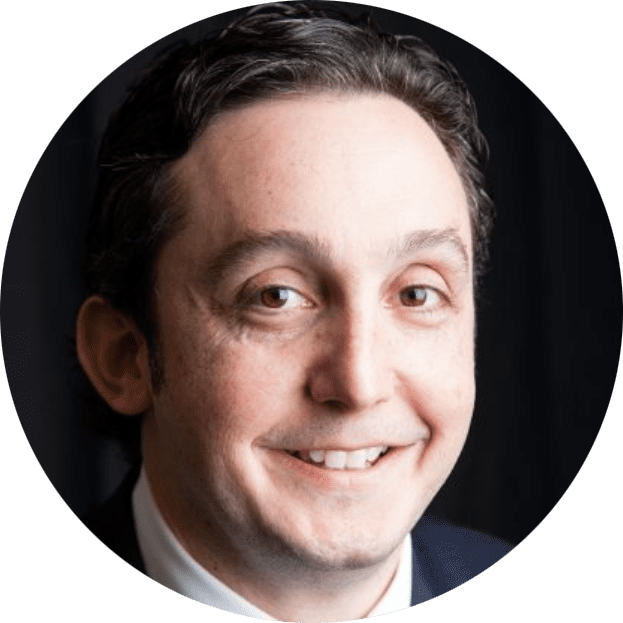
Dr. Michael Okun, is a board-certified neurologist, movement disorders specialist, neuroscientist, and author who practices with the philosophy that “the patient is the sun” and should be at the center of all care decisions.
He co-founded and co-directs the internationally renowned Norman Fixel Institute for Neurological Diseases at University of Florida with his neurosurgeon partner and colleague, Kelly Foote, MD. Since 2006, he has served as both the Medical Director and, more recently, the Medical Advisor for the Parkinson’s Foundation.

While the generous support of our sponsors makes our educational programs possible, their donations do not influence Davis Phinney Foundation content, perspective, or speaker selection.
 Search




 Donate
 Find Support