 Main menu




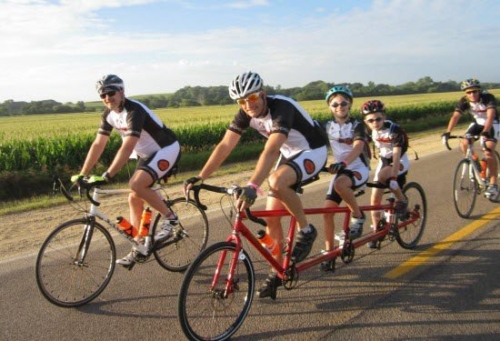
In 2003, on a bike ride with a friend, Dr. Jay Alberts noticed something that would go on to shape the next two decades of his life. During the multi-day, group ride across Iowa (RAGBRAI), Dr. Alberts pedaled a tandem bike with a friend with Parkinson’s and noticed that after a few days, his friend’s handwriting dramatically improved. “Initially, I thought that maybe our diet of pie and homemade ice cream was responsible for these improvements in motor function,” Dr. Alberts said in 2016. “Turns out it was neither the pie nor ice cream; it was riding the tandem that was making the difference.”
Since this discovery, Dr. Alberts and his colleagues have dedicated 17 years to studying the effects of exercise, primarily forced cycling, on motor and non-motor performance. Each project has inspired the next, and the research continually supports the belief that forced and high-intensity aerobic exercise improves motor function (and more) in people with Parkinson’s. Let’s take a look at how the research has unfolded.
Stay active. Studies like Dr. Alberts’ continually show that regular exercise can have significant benefits for people living with Parkinson’s. Find exercises you enjoy and strive to get your heart rate up most, if not all, days of the week.
Exercise is Medicine for the Brain
How a Bicycle Ride Led to Ground-Breaking Parkinson’s Research
Community-Based Cycling Class for Slowing Disease Progression
The Effect of Forced-Exercise Therapy for Parkinson’s Disease on Motor Cortex Functional Connectivity
Pedaling For Parkinson’s
The Davis Phinney Foundation’s mission is to help people with Parkinson’s live well today; therefore, each year, we support research projects that align with that mission. New therapies that improve quality of life are waiting to be discovered.
Your generous gift today to our Quality of Life Research Fund will help our Science Advisory Board say “yes” to more promising research projects that have the potential to change people’s lives.
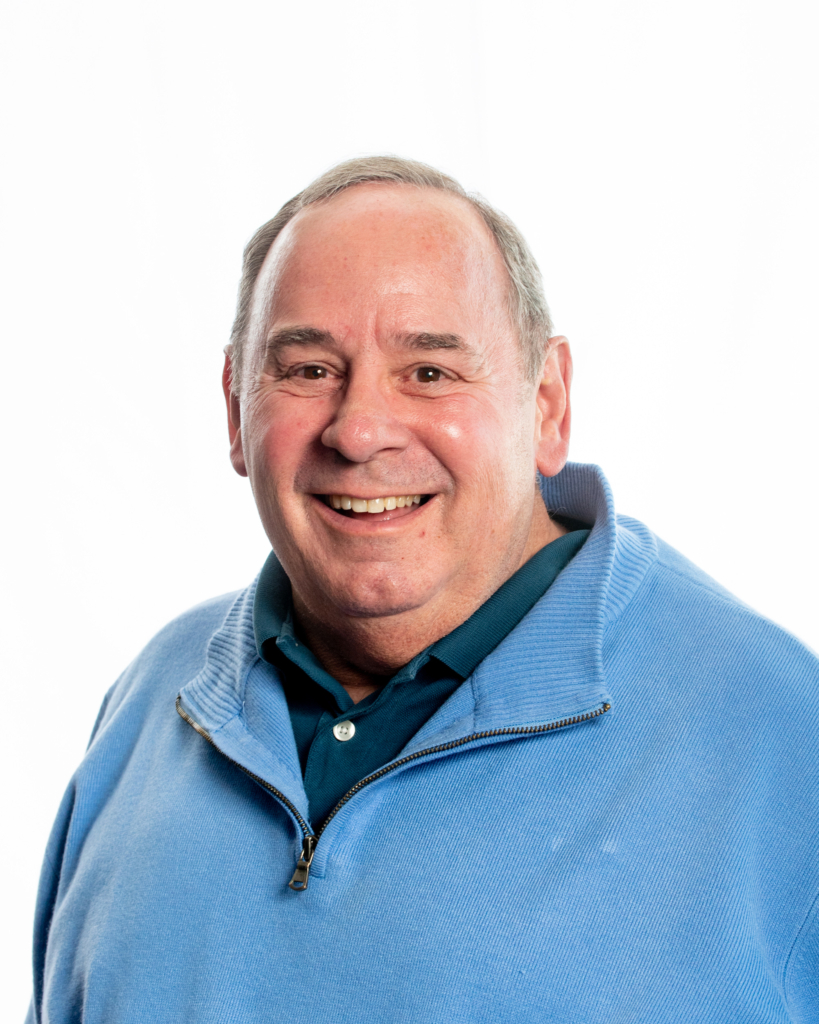
 Dr. Jay Alberts is the Biomedical Engineer & Vice Chair of Clinical Transformation, Director of the Cleveland Clinic Concussion Center. He’s a Principal Investigator within the Functional Electrical Stimulation Center of Excellence at the Louis Stokes VA Medical Center. And he also holds an appointment in the Department of Biomedical Engineering at Case Western Reserve University. Prior to joining the Cleveland Clinic, Dr. Alberts was an Assistant Professor in the Department of Applied Physiology at Georgia Institute of Technology.


 Search




 Donate
 Find Support