 Main menu


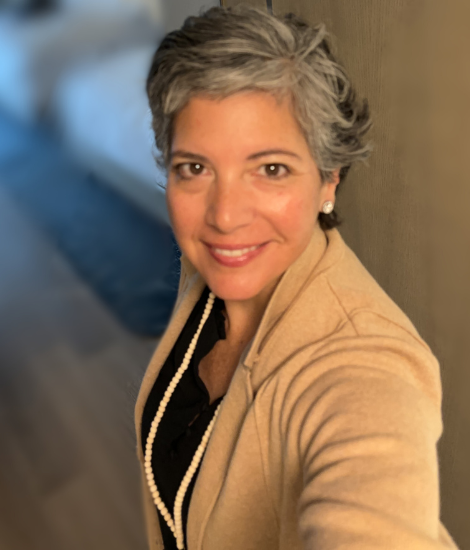

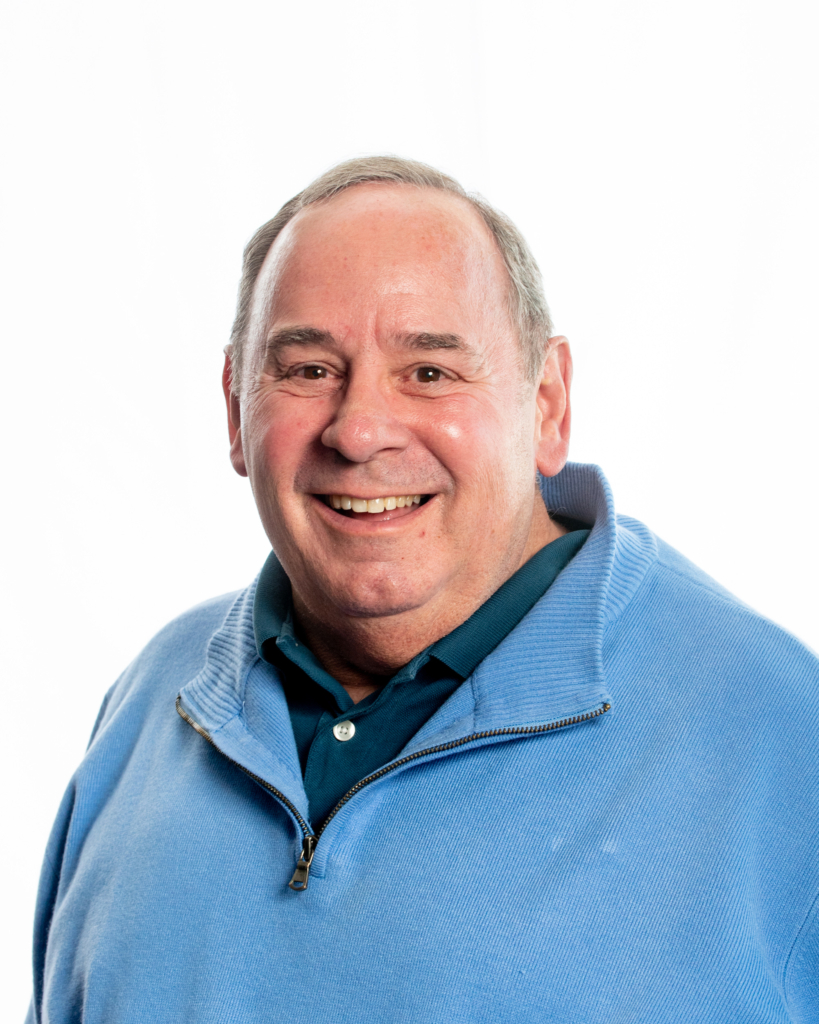



If you do a quick search for images of Parkinson’s online, most of the ones you’ll see are of older adults in stooped positions.
This contributes to a common misconception that Parkinson’s only occurs in older people. Despite this, 4-10% of people who are diagnosed with Parkinson’s begin experiencing Parkinson’s symptoms before they are 50 years old. When symptoms are experienced under age 50, this is called young onset Parkinson’s disease (YOPD)*.
Reported rates of YOPD vary, in part because studies from different parts of the world have different rates and because past studies have used different age-ranges (some used 40 years, others used 45 years, while most used 50 years as the age cutoff for YOPD).
Age of onset matters because the emotional, social, physical, and psychological needs of those diagnosed with YOPD are different from those diagnosed at an older age. A person diagnosed with YOPD might be soaring in their career, expecting a baby, raising multiple school-age children, and/or getting ready to buy their first house. These are different concerns than those who are diagnosed later in life have.
Between 1990 and 2021, the number of people newly diagnosed with YOPD increased 286%. Importantly, when people under age 50 develop Parkinson’s symptoms, they are often undiagnosed or misdiagnosed, so the actual number of people living with YOPD has likely increased even more than that.
We’ve heard many stories about people with YOPD being misdiagnosed. Some have shared how the pain started in their shoulder, so they were referred to an orthopedist and misdiagnosed with impingement or frozen shoulder. Others experienced depression for the first time and were told it was all in their head. Their doctor prescribed an antidepressant medication, which didn’t solve the issue. Some were told they were too young to have Parkinson’s. While receiving a Parkinson’s diagnosis is rarely a clear process no matter your age, people who are younger often face a more circuitous path than those who are older.
Once people are diagnosed with YOPD, they often struggle with how to share their diagnosis. Because of fear of potential consequences, some choose not to tell their boss or co-workers. Some feel isolated because they don’t know anyone else their age with Parkinson’s. Some withdraw completely because facing it head-on is too overwhelming.
These are all normal responses to hearing news that you have a chronic and progressive disease; however, delaying the start of appropriate care due to all of these factors can negatively impact the quality of your life. Starting a regular exercise program, improving sleep hygiene, taking your medications consistently, connecting with others, and eating well are all undertakings you can control. More importantly, getting support from others will give you an even better chance of making sure you do.
Despite similarities, YOPD and a Parkinson’s diagnosis after age 50 differ in clinical features and social, psychological, and emotional issues.
YOPD is diagnosed based on the same three symptoms of Parkinson’s: 1) rigidity, 2) slowness of movement (bradykinesia), 3) and resting tremor. People with YOPD tend to experience slower progression of symptoms, but just as with later onset Parkinson’s, a diagnosis of YOPD requires a doctor to observe bradykinesia and just one of the other cardinal symptoms.
Compared with later-onset Parkinson’s, YOPD often has the following characteristics: a greater likelihood of a genetic componen, longer survival rate, stronger positive response to carbidopa-levodopa (the most common medication used for Parkinson’s), more motor fluctuations (ON/OFF periods) and greater dyskinesia (sudden uncontrolled movements) due to the side effects of medications.
Though each person with YOPD experiences Parkinson’s differently, this table compares common clinical features of YOPD to a Parkinson’s diagnosis after age 50.
| Clinical Features | YOPD | Diagnosis after age 50 |
| Progression | Slower | Faster |
| Tremor | Less common | More common |
| Rigidity | More common | Less common |
| Gait instability | Less common | More common |
| Family history | More common | Less common |
| Survival | Longer | Shorter |
| Motor fluctuations ON/OFF Periods |
More common | Less common |
| Dyskinesia Sudden uncontrolled movements |
More common Side effect of medications |
Less common |
| Dystonia Twisting, cramping |
More common | Less common |
| Depression | More common | Less common |
| Dementia | Less likely to develop | More likely |
A variety of treatments exist to help you manage YOPD symptoms. There are many behaviors you have control over. As our founder, Davis Phinney, says, “You cannot afford to be passive in your approach, whether we are talking about your day-to-day management or your interaction with your health care provider.”
Here are eight activities you can do today to live well with YOPD:

A Mediterranean-style diet—rich in vegetables, fruits, whole grains, legumes, nuts, olive oil, and lean proteins like fish—has been associated with better overall brain health and may support long-term cognitive function.
This balanced, anti-inflammatory approach can help maintain steady energy levels, support the gut-brain connection, and promote overall well-being.
Watch this webinar to learn how nutrition can help you live well with Parkinson’s.

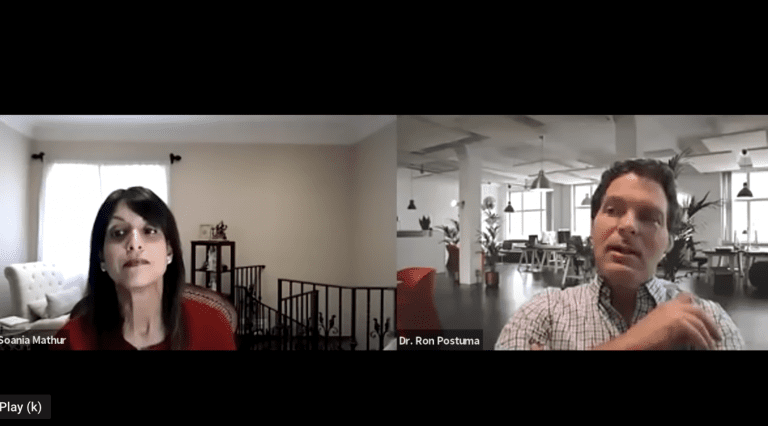
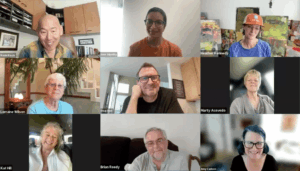
Davis Phinney Foundation YOPD Ambassadors
Young-Onset Parkinson’s: Its Unique Features and Their Impact on Quality of Life
Physical Activity and Cognition in Young Onset Parkinson’s
An Update on the Management of Young Onset Parkinson’s
Investigation of the Treatment and Assistance Needed for People with Young Onset Parkinson’s
*In 2022, the Movement Disorder Society Task Force on Early Onset Parkinson’s Disease established that EOPD is the preferred term (rather than YOPD), but in consultation with people living with YOPD/EOPD, we have decided to continue using the term YOPD.
The same task force also established 50 as the age cutoff for YOPD, clarifying an area of confusion, as some researchers have used 40 or 45 as the age cutoff.


 Search





 Donate
 Find Support