 Main menu






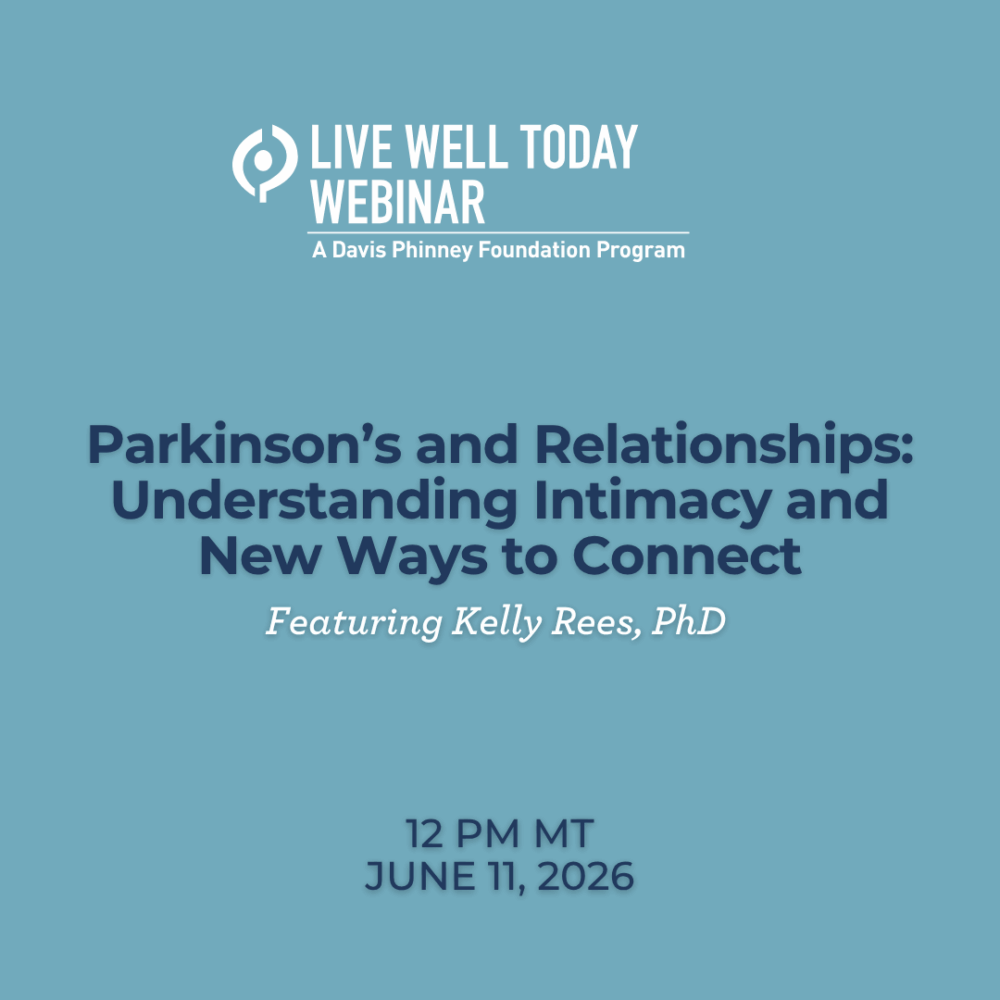
12 pm Mountain Time
(11 am PT, 1 pm CT, 2 pm ET)
In our June 2026 Live Well Today webinar, Dr. Kelly Rees drew on her decades of experience working with people living with Parkinson’s, to discuss how people living with Parkinson’s can maintain close, intimate relationships throughout their lives.
Watch the recording, read the webinar show notes, and find links to resources referenced during the webinar at the bottom of the page.
A central theme of the webinar conversation was expanding the definition of intimacy. While Parkinson’s can affect physical function and self-image, intimacy does not depend solely on sexual activity. It can take many forms, including emotional closeness, shared experiences, touch, and communication. This broader view can help people adapt as their bodies and abilities change.
Parkinson’s often disrupts not just daily routines but also a person’s sense of identity. Dr. Rees noted that many people tie their identity to what their body can do or how they are perceived. When those things change, grief is natural. Rather than resisting that grief, she encouraged naming and sharing feelings using tools like a “feelings wheel,” which can help people articulate complex emotions and open the door to meaningful conversations.
At the same time, she urged flexibility—shifting identity away from physical performance and toward deeper aspects of self, such as emotional connection and shared humanity.
Dr. Rees highlighted clear, compassionate communication as essential to maintaining connection. Yet, she also highlighted that communication can be challenging, especially when Parkinson’s affects speech, facial expression, or cognition. Dr. Rees encouraged people to broaden how they think about communication—recognizing that it can happen through movement, touch, posture, and other nonverbal cues.
Simple tools—like naming feelings out loud, using prompts, or even creating personalized “conversation cards”—can make it easier to start difficult discussions and reduce misunderstandings.
Changes in sensation or mobility can make physical intimacy more complicated. Some types of touch may become uncomfortable, while others may feel newly pleasurable. Dr. Rees emphasized experimentation and curiosity: exploring different types of touch, pressure, or body areas, and focusing on what feels good in the present rather than what used to work.
She also addressed a common challenge: when touch becomes primarily associated with caregiving or medical needs, it can lose its sense of pleasure. Reintroducing intentional, non-medical touch—even in small ways—can help restore that connection.
Differences in sexual desire or comfort with intimacy are common in all relationships and can become more pronounced with Parkinson’s. Dr. Rees stressed the importance of respecting boundaries and avoiding pressure. “Don’t do anything you don’t want to do” was a key takeaway—highlighting that long-term connection depends on mutual willingness and emotional safety.
In situations where one partner withdraws from intimacy altogether, she acknowledged the complexity and suggested seeking professional support. Relationships may need to evolve, and in some cases, redefining the relationship—rather than ending it—can be a viable path forward.
The conversation also touched on practical challenges, including impulse control behaviors related to certain Parkinson’s medications. Sudden changes in behavior—such as increased risk-taking or compulsive activity—should be discussed with a care team. If a need for support arises when your regular care team isn’t available, urgent care, an emergency room, or even the nurse’s support line at your local hospital or insurance company may each be good options for help.
Sleep disruption, including conditions like REM sleep behavior disorder, can also affect intimacy. In some cases, sleeping separately may be necessary for safety. Dr. Rees encouraged couples to intentionally schedule connection time—such as cuddling or shared routines—to maintain closeness even when sleep arrangements change.
Care partner fatigue and burnout can significantly impact relationships. Dr. Rees emphasized the importance of seeking help early, taking breaks, and building a strong support network. Notably, she highlighted that having a small circle of close relationships is one of the strongest predictors of overall health and well-being.
Maintaining those connections may require effort, but they can also be a source of resilience and joy.
Despite the challenges, the message of the webinar was ultimately hopeful. Intimacy and connection are still possible—and meaningful—at every stage of Parkinson’s. By staying curious, communicating openly, and remaining emotionally flexible, individuals and couples can continue to experience pleasure, comfort, and closeness.
As Dr. Rees concluded, “Don’t give up on yourself.” Even as circumstances change, connection remains within reach—and is well worth the effort to nurture.
Parkinson’s Podcast Unfiltered: Grief
Tips for More Expressive Communication
Sleep Divorce: Discussion of Sleeping Separately from Your Partner

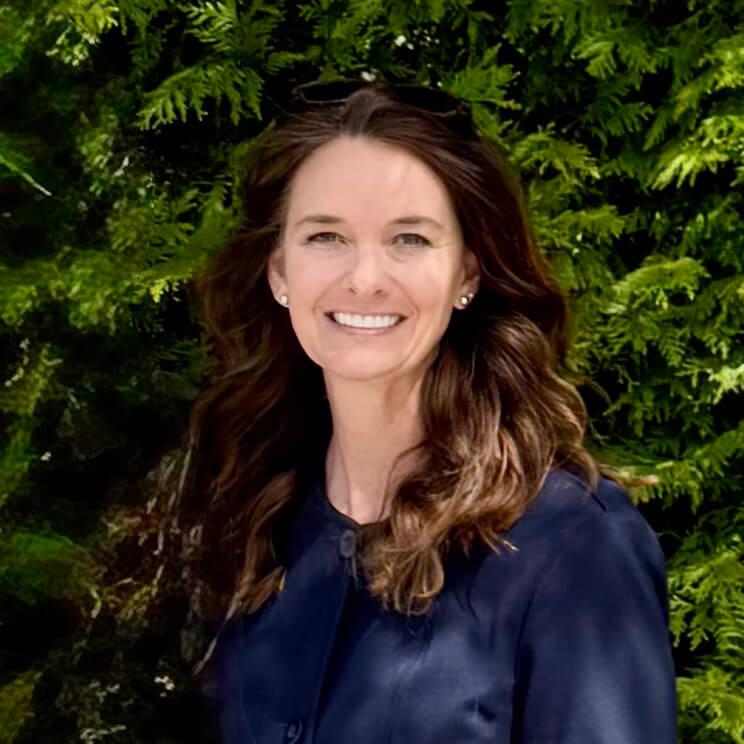
Kelly Rees, PhD is a board-certified therapist who specializes in intimacy, relationships, and sexual wellbeing in the context of Parkinson’s. Dr. Rees has 15 years of clinical experience working with adults and couples. Her work focuses on how Parkinson’s symptoms, medications, body changes, and shifting roles can affect desire, connection, and communication, and on helping individuals and care partners adapt in ways that support quality of life and emotional closeness.


While the generous support of our sponsors makes our educational programs possible, their donations do not influence Davis Phinney Foundation content, perspective, or speaker selection.
 Search




 Donate
 Find Support