 Main menu







12 pm Mountain Time
(11 am PT, 1 pm CT, 2 pm ET)
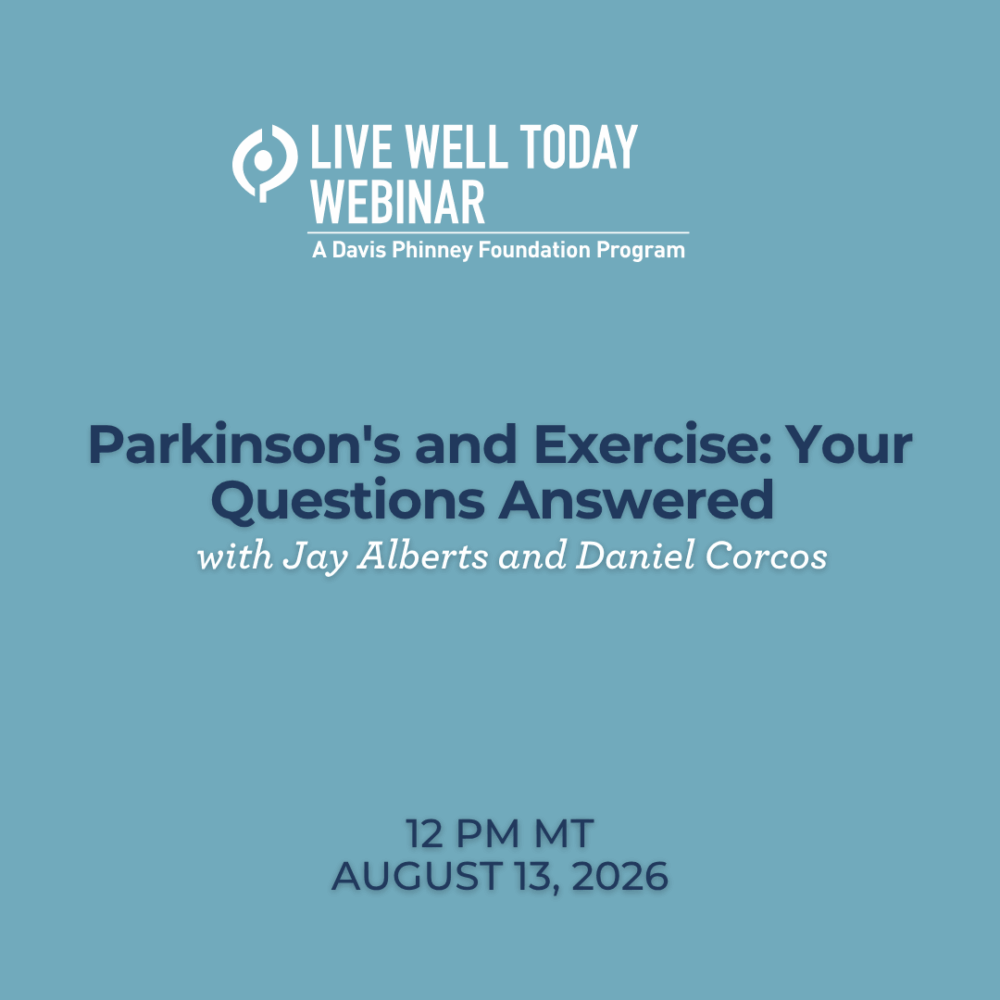
Our August 13, 2026 Live Well Today webinar will feature Daniel Corcos and Jay Alberts, two exercise experts leading critical research about exercise and Parkinson’s. During this webinar, Dr. Alberts and Dr. Corcos will discuss some of the most important questions they hear from people living with Parkinson’s and care partners.
Topics we anticipate they’ll cover include current exercise recommendations for people with Parkinson’s, what to do if you’re having a hard time meeting those recommendations, whether there is a “best” way to exercise, whether exercise is neuroprotective and what that means, and how to measure your progress in both the short and long term.
We will also reserve some time to address as many questions from the audience as possible. Submit them in advance using this form or by emailing [email protected].

Jay L. Alberts, PhD is Vice Chair of Innovation in Cleveland Clinic’s Neurological Institute. His research focuses on how Parkinson’s and other neurological conditions affect motor and cognitive function. His work also emphasizes development of practical interventions that improve quality of life.
Dr. Alberts is internationally recognized for pioneering research demonstrating the benefits of high-intensity and “forced-exercise” cycling for people with Parkinson’s disease. His work led to the creation of the Pedaling for Parkinson’s program and continues to explore how exercise, digital health technologies, artificial intelligence, and biomarkers can be used to detect and slow disease progression.
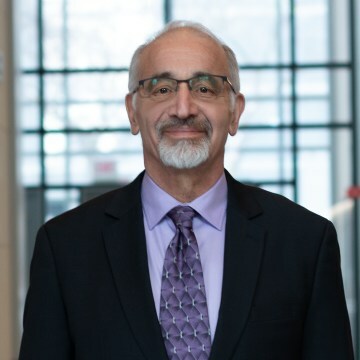
Daniel M. Corcos, PhD is Professor of Physical Therapy and Human Movement Sciences at Northwestern University Feinberg School of Medicine and a leading investigator in movement neuroscience and Parkinson’s rehabilitation. He has published more than 200 peer-reviewed articles.
Dr. Corcos is best known for his landmark clinical trials showing that high-intensity endurance exercise and progressive resistance training can improve motor symptoms, cognition, and potentially slow the progression of Parkinson’s disease. As a principal investigator of major Parkinson’s exercise studies, including the SPARX program, his research has helped establish exercise as a key component of evidence-based Parkinson’s care.

While the generous support of our sponsors makes our educational programs possible, their donations do not influence Davis Phinney Foundation content, perspective, or speaker selection.
 Search




 Donate
 Find Support